Source USB Rechargeable Coffee Scale for Home, Hotel, and Office
Find 30 models of usb rechargeable coffee scale options featuring digital LED displays, 0.1g accuracy, and portable designs. Compare specifications from suppliers in China to select the ideal device for home, hotel, or office use; compare the available evidence and request quotations based on your requirements.
Key considerations
Products List


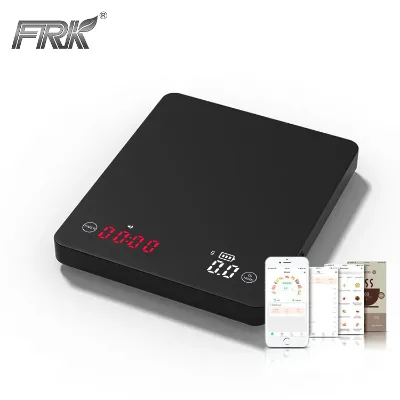
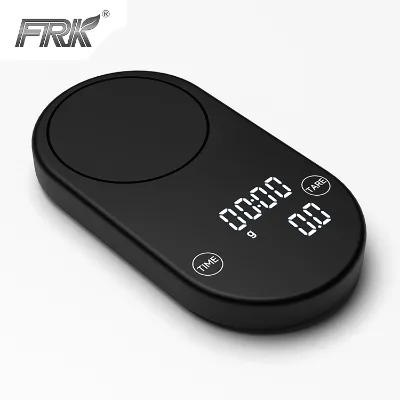
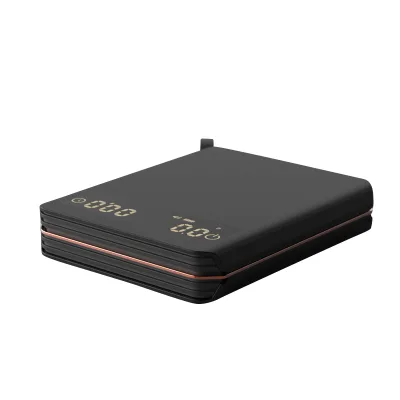
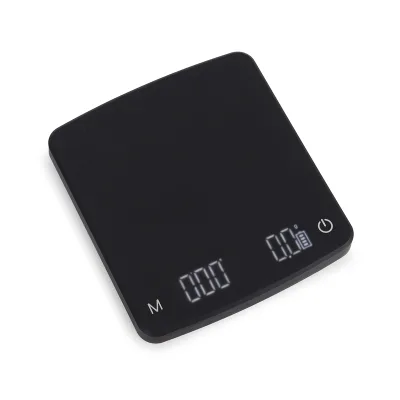
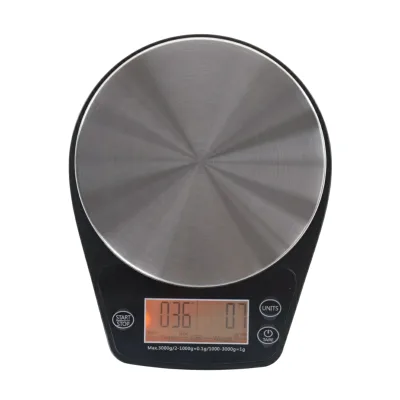
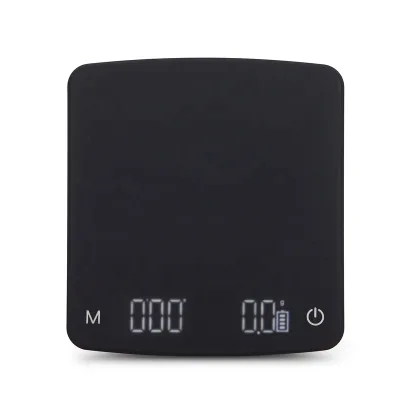
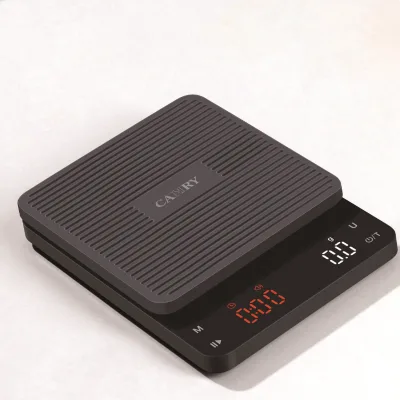


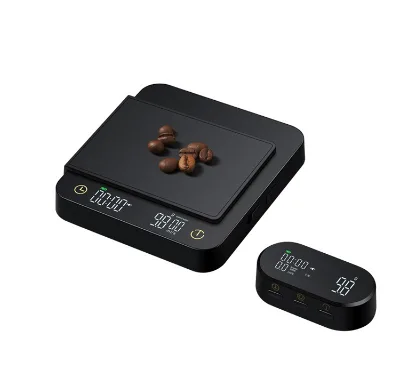


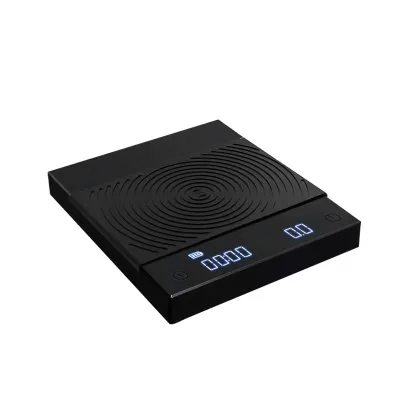
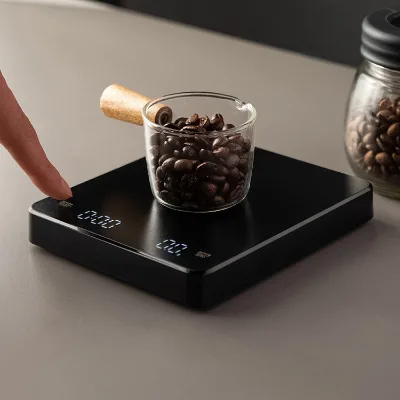

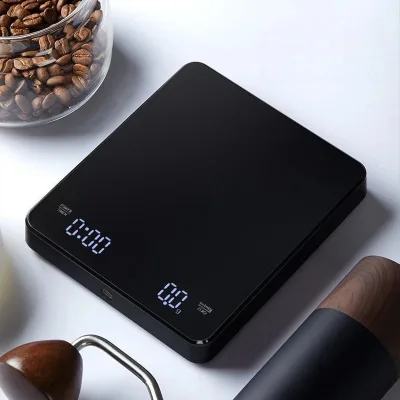



Comprehensive Sourcing Guide
USB Rechargeable Coffee Scale Sourcing Guide
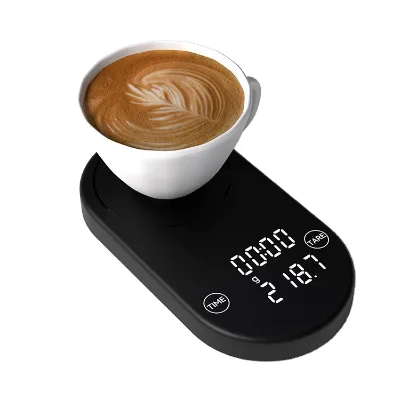
The market for USB rechargeable coffee scales presents a diverse array of digital weighing solutions tailored for precision brewing in home, hotel, and restaurant environments. Procurement teams must navigate a landscape where product attributes vary significantly, ranging from square to rectangular designs and featuring materials like ABS plastic or full PC construction. Buyers should prioritize verifying the specific power supply configuration, as observed listings indicate options including 1200 mAh Lithium Polymer batteries and 3.7V rechargeable units, which directly impact portability and operational continuity during service.
When evaluating potential inventory, it is critical to distinguish between models designed for general kitchen use and those optimized for espresso extraction. The observed data highlights specific functionalities such as Bluetooth connectivity, auto-off features, and tare functions, which are essential for barista workflows. Sourcing decisions should rely on matching the observed range capabilities, typically spanning from 0.1g to 3kg, against the specific precision requirements of the intended application to ensure the selected device delivers the necessary accuracy for consistent beverage preparation.
Product Scope and Observed Listing Signals
Buyers must carefully analyze the observed listing signals to understand the breadth of available customization and packaging options. The current market data indicates that customization is available, with suppliers offering OEM and ODM support to meet specific branding needs. Packaging varies from standard white boxes to color boxes and safe packages, which influences the final retail presentation and protection during transit. Procurement strategies should account for these variations to ensure the product aligns with the brand's visual identity and logistical requirements.
The functional scope of these devices extends beyond simple weighing, with some models integrating advanced features like manual and auto modes, espresso-specific functions, and multiple unit conversions including grams, ounces, and milliliters. However, the observed product attributes reveal inconsistencies in model numbers and specifications, such as the S2, BP123, and K99PRO-B designations, which suggests a fragmented supply chain. Buyers should verify that the specific features claimed, such as touch-on capabilities or specific battery capacities, are explicitly confirmed in the final product datasheet before committing to a bulk order.
Technical Specifications to Verify
Precision and measurement range are the primary technical differentiators that must be rigorously verified before procurement. While some observed listings specify an accuracy of 0.1g with a maximum weighing capacity of 3kg, others suggest a range of 0.3g to 3000g, creating potential confusion regarding the device's true performance limits. Buyers must confirm the exact accuracy and maximum load capacity for the specific model number to ensure it meets the stringent demands of coffee brewing, where even minor deviations can alter the final product quality.
Display technology and physical dimensions are equally critical factors that influence user experience and integration into existing workflows. The observed data points to LED and LCD display types with varying sizes, such as 111x21mm or 45x36mm screens, which affect readability under different lighting conditions. Additionally, the physical structure, whether square or rectangular, and the overall product size, ranging from 165x140x29mm to 170x90x27mm, must be validated to ensure the scale fits comfortably on standard coffee station counters without obstructing other equipment.
Compliance and Safety Documentation
Electrical safety and battery compliance are paramount when sourcing devices powered by Lithium Polymer or 3.7V rechargeable batteries. Although specific certification marks are not explicitly listed in the provided facts, buyers must demand evidence of compliance with international safety standards for portable electronic devices, particularly regarding battery handling and charging safety. The absence of explicit certification data in the initial listing signals necessitates a proactive request for test reports to mitigate risks associated with electrical failures or battery malfunctions in commercial settings.
Material safety and environmental standards should also be scrutinized, given the use of ABS plastic and PC materials in the product construction. Procurement teams should verify that the materials used meet relevant food-contact safety regulations, especially since these scales are frequently used to weigh food and coffee beans. Ensuring that the manufacturing process adheres to recognized environmental and safety protocols is essential for maintaining brand reputation and avoiding potential liability issues related to product safety in the supply chain.
Cost Drivers and Commercial Terms
The observed price range of 2 to 30 USD suggests a highly competitive market with significant variance based on feature sets and build quality. Buyers should recognize that lower price points may correlate with basic functionality, while higher costs likely reflect advanced features like Bluetooth connectivity, superior battery capacity, or enhanced durability. Understanding these cost drivers is essential for budgeting, as the final unit price will be heavily influenced by the specific combination of materials, electronics, and customization options selected for the order.
Minimum Order Quantities (MOQ) and lead times are critical commercial terms that vary widely, with observed MOQs ranging from 1 to 2000 units. This flexibility allows buyers to test the market with small batches or secure large inventory for immediate deployment, but it requires careful negotiation to align with cash flow and storage capabilities. Procurement strategies must account for these terms, ensuring that the agreed-upon delivery schedules and volume commitments match the operational needs of the business to avoid stockouts or excessive inventory holding costs.
Supplier Qualification and Quality Control
Supplier qualification should focus on verifying the origin and manufacturing capabilities, as the observed data indicates production primarily from China, specifically Guangdong. Buyers must assess the supplier's ability to maintain consistent quality across different model numbers and production runs, given the variety of specifications observed in the market. Establishing a clear communication channel for technical queries and quality assurance protocols is essential to ensure that the delivered products match the agreed-upon specifications regarding materials, dimensions, and performance.
Quality control measures must be robust, particularly given the warranty terms observed, such as the 3-year warranty offered by some suppliers. Buyers should implement a pre-shipment inspection process to verify that the products meet the required standards for accuracy, display clarity, and battery performance. It is also advisable to request samples for independent testing to validate the supplier's claims regarding features like auto-off functions and tare capabilities before finalizing the purchase agreement.
Long-Term Procurement Checks
Sustainability and long-term support are key considerations for maintaining a reliable supply chain for coffee scales. The observed product features include sustainability claims, which should be verified through documentation to ensure they align with corporate social responsibility goals. Buyers should evaluate the supplier's commitment to environmental practices and their ability to provide ongoing support, including spare parts availability and technical assistance, to ensure the longevity of the product line in the market.
Future-proofing the procurement strategy involves monitoring the evolution of product features and market trends to stay competitive. As technology advances, buyers should anticipate updates in battery efficiency, display technology, and connectivity options. Establishing a long-term relationship with suppliers who demonstrate adaptability and a commitment to innovation will ensure access to the latest product iterations and maintain a competitive edge in the coffee equipment sector.
FAQs
What is the accuracy of the Ecocoffee S2 coffee scale?
The Ecocoffee S2 model provides a precision of 0.1g for accurate measurements. It features a weighing range from 0.1g to 2kg, making it suitable for precise coffee brewing. The device uses a digital LED display to show clear readings. This accuracy ensures consistent results for espresso and pour-over methods. The square ABS plastic structure supports stable performance during daily use.
How does the FRK coffee scale handle power supply?
The FRK coffee scale operates using a 3.7V rechargeable battery for convenient power. It includes Bluetooth functionality for enhanced connectivity and data tracking. The device features an auto-off function to conserve energy when not in use. Users can toggle between manual and auto modes for flexible operation. This rechargeable design eliminates the need for frequent battery replacements during regular use.
Can I customize the packaging for the K99PRO-B scale?
Yes, customization support including OEM and ODM services is available for the K99PRO-B scale. Buyers can request specific packaging options to meet their branding requirements. The standard packing includes a safe package to protect the product during shipping. The single gross weight is 6.800 kg, which helps in logistics planning. Customization allows for tailored solutions for different market needs and distribution channels.
What is the maximum weighing capacity of the BP123 model?
The BP123 model has a maximum weighing capacity of 3kg for versatile use. It offers a range from 0.3g to 3000g to accommodate various ingredients. The digital display type ensures easy reading of weights in grams, ounces, or milliliters. This capacity is ideal for weighing larger batches of coffee beans or water. The sturdy ABS plastic construction supports reliable performance under heavy loads during preparation.
Where is the usb rechargeable coffee scale manufactured?
The usb rechargeable coffee scale is manufactured in Guangdong, China. The production origin ensures access to established supply chains and manufacturing expertise. The product dimensions vary by model, with the K99PRO-B measuring 165x140x29mm. Single package sizes are optimized for efficient shipping and storage. This location supports consistent quality control and timely delivery for international buyers seeking reliable sourcing partners.
What features does the Ecocoffee scale offer for coffee brewing?
The Ecocoffee scale offers a tare function and auto-off feature for convenience. It supports multiple units including grams, ounces, and milliliters for precise measurements. The fashionable black design fits well in home, hotel, or office settings. The 1200 mAh lithium polymer battery provides reliable power for extended use. These features enhance the brewing experience by allowing accurate water-to-coffee ratios and easy cleanup.